
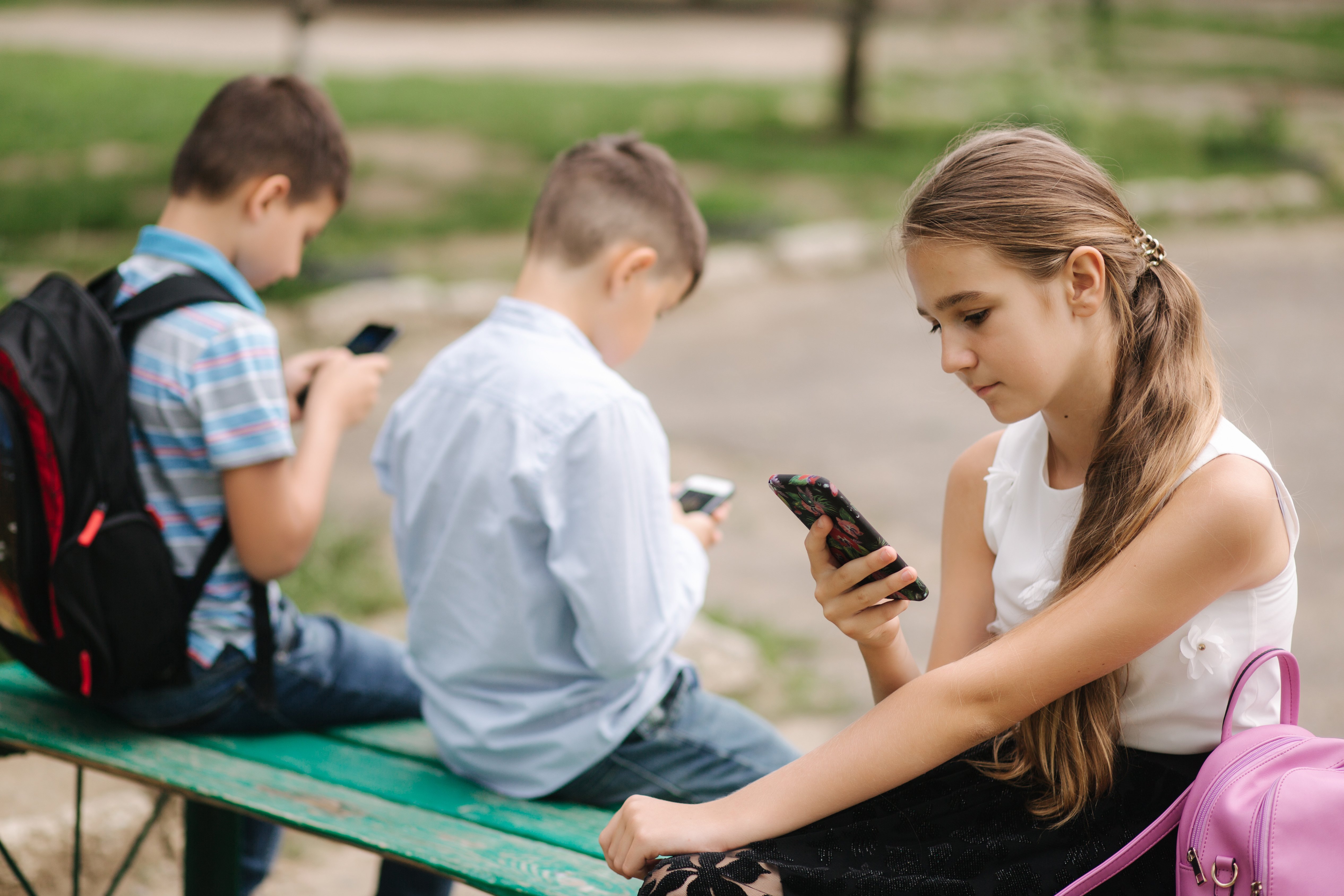
In fact, delaying smartphones is one of the most protective choices you can make for your child’s development.
The good news is that you don’t have to choose between connection and safety. There are now a number of devices that allow kids to call and text without opening the door to everything a smartphone brings.
(If you’re deciding whether your child is ready for a phone at all, see: When Should Kids Get a Cell Phone? )
Why Delay Smartphones?
Smartphones don’t just provide communication. They bring the internet into your child’s pocket—along with social media, gaming, messaging, and constant stimulation.
Most children aren’t developmentally ready to manage that level of access.
Delaying smartphones helps protect your child’s:
- Sleep
- Attention and learning
- Emotional regulation
- Self-esteem and social development
It also gives your child more time to develop the judgment they’ll eventually need to use technology responsibly.
(For a broader overview, see the Age by Age Guide.)
What to Look for in a First Device
If your child needs a way to stay in touch, you can look for a device that offers:
- Calling and basic texting
- No open internet browser
- No social media or app store
- Parental controls and contact limits
- Simple, non-addictive design
These features allow your child to practice responsibility—without overwhelming them.
What These Phones Actually Feel Like to Kids
One reason parents hesitate to choose an alternative is worry that their child will feel left out—or reject the device.
It helps to know that many of today’s alternatives are designed to feel “real” to kids, even without full internet access.
Some look very similar to smartphones, with touchscreens and familiar layouts. Others are more basic—but still meet a child’s need for connection.
Depending on the device, kids may be able to:
- Take photos and videos
- Listen to music or podcasts
- Use maps or basic GPS features
- Text and call approved contacts
What they typically don’t include is open internet access, social media, or app stores.
That’s the key difference: your child can stay connected and build independence—without being exposed to everything that comes with a smartphone.
Alternatives to Smartphones for Kids
Here are some of the most common options families use when they want connection without a full smartphone. Specific models change over time, but these categories—and examples—will give you a good starting place.
1. Basic “Dumb” Phones
These phones allow calling and texting, but don’t include internet browsing or apps.
Examples: Nokia 225, Punkt MP02
These can work well for older elementary or middle school kids who need simple communication.
2. Kid-Safe Phones
These are designed specifically for children, with limited features and strong parental controls.
Examples: Gabb Phone, Pinwheel Phone
Many of these phones look and feel similar to smartphones, with touchscreens and familiar interfaces—but without social media or open internet access.
Depending on the model, they may include features like photos, music, and maps, while still keeping the environment controlled.
3. Smartwatches with Calling
These allow children to call or message pre-approved contacts, without giving them a full phone.
Examples: Gizmo Watch, Apple Watch (Family Setup)
They’re especially useful for younger children because they stay on the child’s wrist, are less likely to be lost, and avoid the pull of apps and games.
4. Minimalist Phones
These are intentionally designed to reduce distraction.
Examples: Light Phone
They focus on essential functions without the pull of apps, social media, or constant notifications.
5. Shared Family Devices
For younger children, you probably don't need a personal device at all.
A shared phone or tablet that stays in a common area can meet communication needs without creating a habit of constant personal access.
How to Introduce Any Device Thoughtfully
Even a limited device needs structure and guidance.
Before you give your child any device, it helps to:
- Set clear expectations about when and how it can be used
- Keep devices out of bedrooms, especially overnight
- Stay involved in how your child is using it
- Talk regularly about what they’re experiencing
For a step-by-step approach, see the suggestions for contracts, supervision and apprenticeship discussions in Rules for the First Phone.
And for safety conversations, see: Cyber Smarts: Keeping Your Child Safe Online.
A Note for Parents
It’s easy to feel pressure to give your child a smartphone because “everyone else has one.”
But your child doesn’t need to keep up with everyone else. They need what supports their development.
Kids don’t need a full smartphone to stay connected — and, developmentally, they’re far better off waiting until mid-adolescence before entering the world of social media. Fortunately, there’s now a wide range of alternatives that give kids independence without giving them access to algorithms, social comparison, or addictive apps.
You’re not cutting them off from their peers. You’re giving them a safer way to grow — at the pace their brain is ready for.
Every time you choose a safer option, every time you delay access your child isn’t ready for, you are helping them build the self-regulation and judgment they’ll need for the digital world they’re growing into.
Less drama, more love.
(If you’re deciding whether your child is ready for a phone at all, see: When Should Kids Get a Cell Phone?)